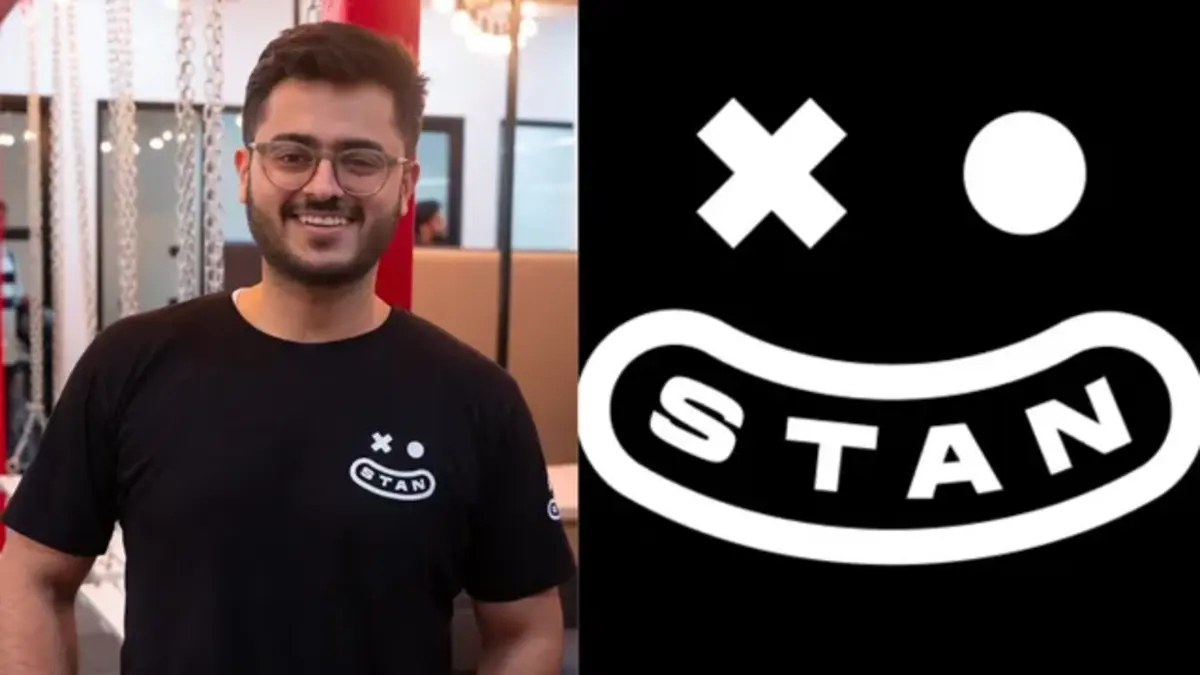
Gaming fan engagement and digital collectibles platform STAN shared the internal data recently. The platform revealed a surprising truth about the Indian digital landscape—users in Tier-2 and Tier-3 cities are now outspending their metropolitan counterparts.
In this exclusive interview with InsideSport, STAN Co-Founder and CEO Parth Chadha unpacks the platform’s explosive growth. Chadha discusses the evolution of digital belonging, why treating platform safety as a growth driver is non-negotiable, and how they are utilizing Gemini AI to turn automated moderation into an active, live-hosting experience.
Q. Given your recent internal data showing that Tier-2 and Tier-3 cities are outspending metros, how are you tailoring your product roadmap to sustain this momentum?
Parth – The data surprised even us. Tier 2 and Tier 3 India isn’t only where most of our users are, it’s where the money is. The average user there outspends one sitting in a metro. That tells you it was never a discount market. It’s our core market.
So the roadmap follows it. We’re building voice-first, because a lot of our strongest creators speak rather than show their faces. We’re building for patchy networks, for regional languages, and for the payment habits people in these cities actually use. The reflex in Indian tech has been to design for Bangalore and Mumbai and hope it trickles outward. We do the opposite. We design for Patna and Coimbatore first, and it travels up just fine.
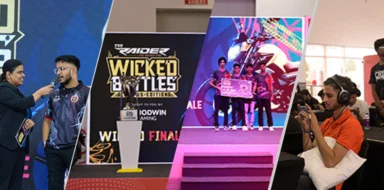
Q. STAN hosted physical events like Stanfest in its early days, but the platform has pivoted toward digital-first, real-time social experiences. How has your community-building philosophy changed as you scaled?
Parth – I’d gently push back on the word pivot. Stanfest wasn’t a phase we grew out of. It showed us what people actually came for, and it wasn’t the stage, it was the feeling of being among their own. What we learned was that you can’t hand people that feeling only once a year. So we built a way to give it to them every day.
That’s what digital-first work really is. We think about rooms someone can walk into any evening, in their language, with their people.
Belonging went from a thing that happened on a weekend to a thing that happens daily. That doesn’t mean the weekend stopped mattering. There’s an energy to being in one room together that no app fully replaces, and it isn’t a chapter we’ve closed. I’ll leave it there for now, but I’d keep an eye on this space.
ALSO READ
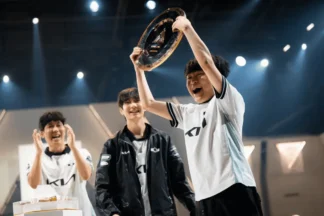
- Dplus Kia Wins League of Legends at Esports World Cup 2026
- Team Vitality defend MWI crown on home soil at EWC 2026
- PMWC 2026 at EWC: Schedule, Format, Map Rotation, and Everything Need To Know
- PMWC 2026 Groups, Teams, Schedule, Format, and More
- MLBB MSC 2026 at EWC26: Group Stage Draw Revealed
Q. With recent backing from industry giants like Google’s AI Fund and Sony Innovation Fund, how are you using these resources to change the creator economy?
Parth – Google and Sony didn’t back us with cheques alone. The value is in what comes attached. With Google, our moderation and our creator ranking run on top of their AI stack. Sony brings real instinct for how entertainment and IP behave at scale.
Here’s where it changes things. In a lot of the creator economy, money flows to whoever already has the audience. We’re using AI to find the creator nobody has heard of yet, the one streaming in Telugu or Kannada to a small but loyal room, and to make that person both discoverable and safe to invest in. A large number of creators now earn a sustainable monthly income on STAN who would never have surfaced on a follower-count leaderboard. That’s the part we care about.
Q. Many platforms offer ‘creator monetization,’ but STAN focuses on ‘community-led commerce.’ Can you explain how this distinction creates a more sustainable ecosystem for your creators?
Parth – The standard monetisation model pays a creator for attention. Get views, get a cut. The trouble is that attention is rented from an algorithm, and the day the algorithm changes its mind, the income goes with it.
Community-led commerce works the other way around. The earning sits inside a relationship the creator owns, the club and the people who keep coming back to it. Through StanShop that community converts into real transactions, and the creator earns from people who already trust them rather than from strangers passing through a feed. It holds up for a simple reason. A viral moment ends. A community that shows up tomorrow doesn’t. We’d rather a creator have a room full of people who stay than a feed full of people who scroll past.
Q. What is the STAN approach to platform safety and toxicity, especially in live voice-chat environments, which are notorious for being hard to moderate?
Parth – Voice is the hardest surface to keep safe, and anyone who says otherwise hasn’t built it. Text you can scan. With live audio, the harm happens and lands in the same second, and a lot of our rooms run in a mix of Hindi, Tamil, Telugu, Kannada and Hinglish, with people switching language mid sentence.
So we treat moderation as infrastructure, not as a policy document. We’ve built real-time systems on Gemini’s AI that listen across those languages and step in while a conversation is live, not hours later when someone files a report. And it works. Cleaner rooms keep people around, and we can see it in our retention. Safety usually gets framed as a cost. For us it’s a growth driver.
Q. Beyond the current moderation and discovery tools, what is the one in-development feature or ‘moonshot’ you and the engineering team are most excited to see go live in the next six months?
Parth – The one I keep coming back to is this. Right now our AI mostly works in the background, keeping rooms safe and ranking creators in real time. The next step is to bring it into the foreground, where it actively makes a live room better while the room is happening.
Picture a voice space where the system reads the context of what’s being played and said well enough to lift the moment, point the right creator toward the right person at the right second, and help a stranger feel like a regular far sooner than they would alone. We’re not putting a date on the specific feature yet, because we’d rather ship it right than announce it early. That’s the direction the team is excited about. Moderation taught our AI to protect the room. This teaches it to host.
 Cricket
India squad for Sri Lanka Tests to be picked this week: Bumrah, Jadeja to return, Washington Sundar doubtful
Cricket
India squad for Sri Lanka Tests to be picked this week: Bumrah, Jadeja to return, Washington Sundar doubtful