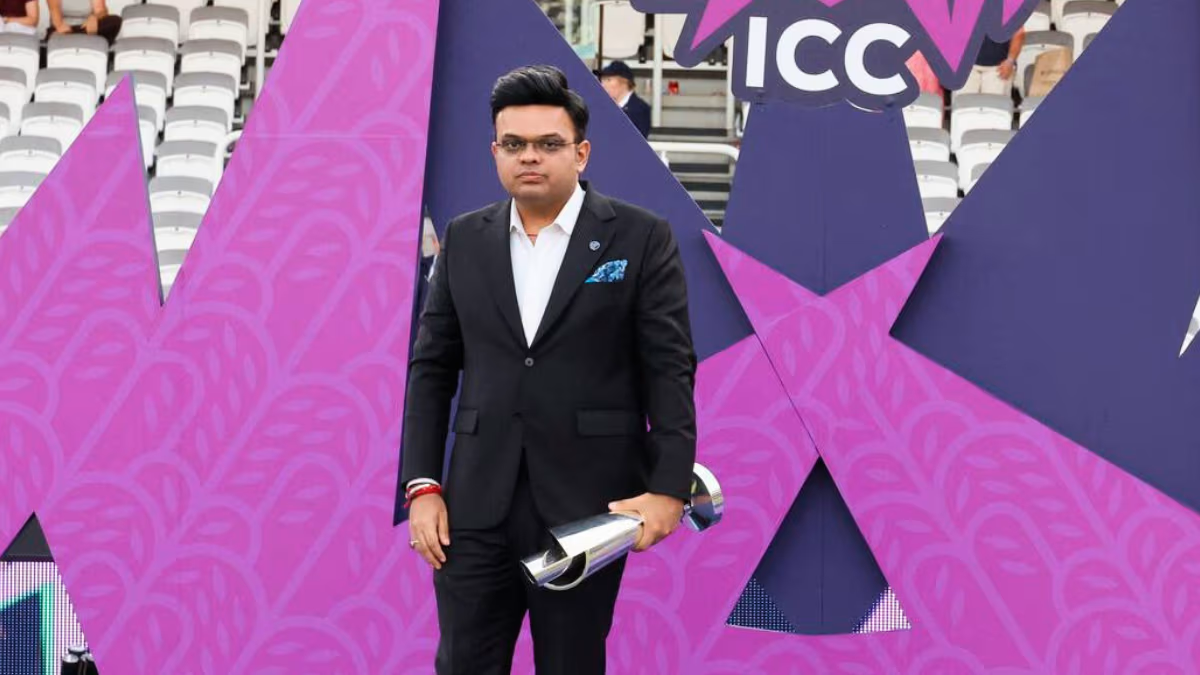
The International Cricket Council (ICC) wanted to sell it as a tournament upgrade. But in reality, it isn’t. The Jay Shah-chaired ICC has recently tweaked the formats of both the ODI and T20 World Cups, and it seems no one is liking it. It may earn the ICC more revenue, but the changes have really hurt the associate nations, who fight for years just to participate on the global stage. Now, you’ve reduced the tournament from 14 to 12. How’s that fair?
Just a day after announcing major changes to the men’s ODI and T20 World Cups, the ICC found itself facing criticism from the World Cricketers’ Association (WCA), players from associate nations and several voices within the cricket community. The biggest controversy surrounds the 2027 ODI World Cup. Officially, it remains a 14-team tournament. In reality, it has effectively been reduced to 12.
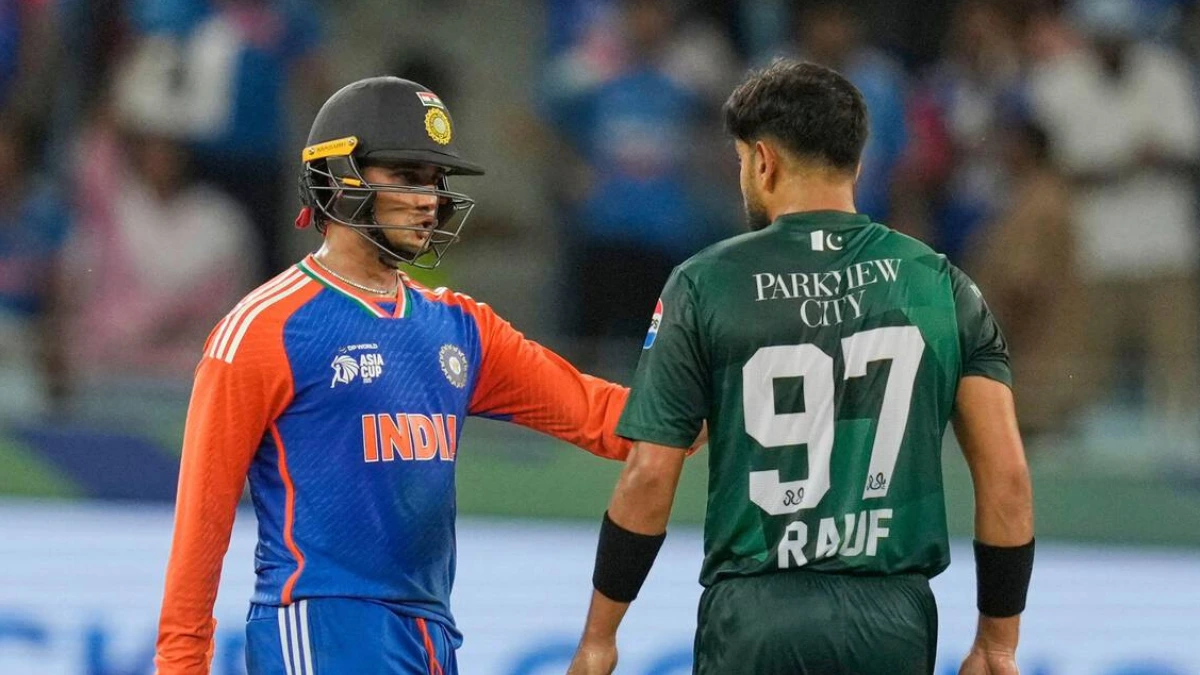
A 14-team World Cup that isn’t really a 14-team World Cup?
Under the new structure, the three qualified teams from global qualifiers won’t enter the main tournament directly. Instead, they will play a preliminary “Super Series”, with only one side advancing to join the remaining 11 teams in the World Cup proper. This is harsh for associate nations that spend years battling through qualification pathways. The change has felt like a punch in the stomach for them.
The criticism is that if a team qualifies for the ODI World Cup, why should it still have to qualify again?
Associate nations already navigate one of the toughest qualification systems in world sport. Teams like Scotland, the Netherlands and Namibia play dozens of matches across several years merely to reach the final qualification stage. Now, even after getting through that process, some nations will be forced into another knockout hurdle before the tournament even begins.
WCA chief executive Tom Moffat did not hide his concerns.
“The ICC is entitled to determine the structure of its global events. However, when commitments are made to the game, qualification pathways are established and countries and players invest years pursuing those opportunities, significant changes deserve genuine consultation, transparency and a clear explanation. It is difficult to reconcile the game’s stated ambition of growing cricket globally with decisions that reduce meaningful opportunities at pinnacle events for some of the countries that stood to benefit most from genuine expansion.”
ICC introduces new format for ODI World Cup 2027
Under the previous edition, each team faced off in the round-robin before the top four qualified for the semifinals. Now, they will be a ‘Super Series’. Teams that qualify from the ODI World Cup 2027 Qualifiers will need to face off in a round-robin model, and only the top team will advance to the next stage. Then the 12 teams will be divided into groups of six.
| Previous Format | New Format |
|---|---|
| Two groups of 7 (42 matches) The top 3 teams qualify for Super Six | Round 1: (Teams 12, 13, 14) |
| Round-robin ‘Super series’ Top team progresses to Round 2 | |
| Round 2: Two groups of 6 (30 matches) | |
| Top 3 teams from each group plus next highest-placed team across both groups qualify for Super 7 | |
| Super Six- Two groups of three | Round 3: Super 7 – Round robin (21 matches) |
| (9 matches) | Top 4 teams from Super 7 progress to the semis. |
| Top two teams from each group progress to semis | |
| Semifinals (2 matches) | Semifinals (2 matches): (1 vs. 4 & 2 vs. 3) |
| Final | Final |
Associate nations accuse ICC of sending the wrong message
The strongest reaction has come from the very countries most affected by the decision. Netherlands captain Scott Edwards questioned how the move aligns with cricket’s repeated promises of global expansion.
“Qualifying for an ODI World Cup is a huge achievement for any country, so when the reality of that opportunity changes after years of planning, it’s incredibly disappointing. The ICC talks a lot about growing the game globally, but decisions like this make it harder for associate nations to play against the best teams in the world.”
Ireland captain Paul Stirling echoed similar sentiments.
“The smaller and associate countries have consistently proven to add value and interest at global events. The football World Cup we’ve just witnessed is testament to that in other sports and it would be great to see cricket take a similar approach to maximise opportunities for the game.”
That comparison with football is difficult for the ICC to ignore. FIFA continues to expand its World Cup, bringing more nations into the World Cup. Take account of nations like Cape Verde and DR Congo, which gave a hard time to some of the best teams in world football. Argentina, the defending champions, needed to have extra time to win over Cape Verde. Congo, meanwhile, drew against Portugal and made it hugely difficult for England to beat them.
Cricket, meanwhile, appears to be moving in the opposite direction.
The frustration is perhaps best summed up by Netherlands batter Max O’Dowd, whose team famously stunned South Africa and Bangladesh during the 2023 World Cup. “So you’re telling me, associate sides have to play in a three-year 50-over tournament to qualify for a qualifier to qualify for another tri-series qualifier to then qualify for a World Cup.”
 Cricket
India squad for Sri Lanka Tests to be picked this week: Bumrah, Jadeja to return, Washington Sundar doubtful
Cricket
India squad for Sri Lanka Tests to be picked this week: Bumrah, Jadeja to return, Washington Sundar doubtful