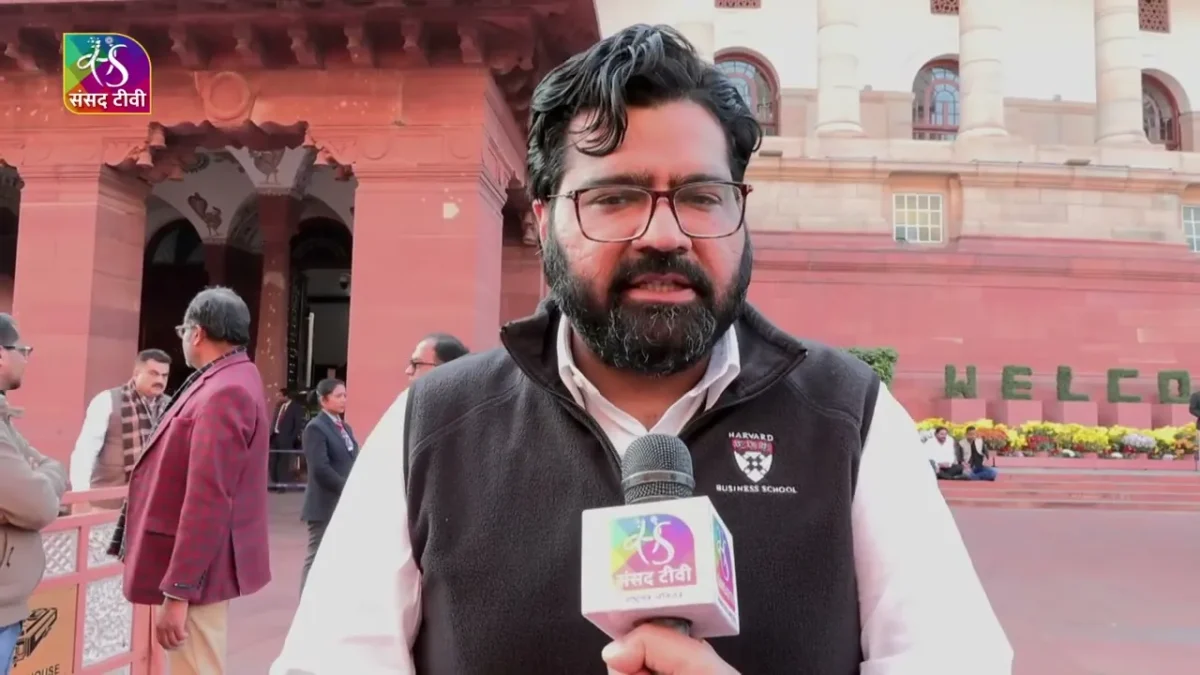
The landscape of Indian competitive gaming reached the halls of Parliament this week as Rajya Sabha MP Kartikeya Sharma made a compelling case for the official recognition of esports as a sport. Speaking during the Zero Hour, Sharma outlined a future where gaming serves as a primary driver of the nation’s digital economy, provided it receives the necessary regulatory and administrative support. Why Official Sports Status For Esports Matters?
Official Sports Status for Esports: Why Is It Needed?
Sharma’s address was backed by staggering economic figures that highlight India’s emergence as a global gaming powerhouse. He noted that the country’s creative economy—currently valued at $30 billion—already supports 8% of the workforce.
Key projections shared during the session include:
- Market Valuation: Currently at $3.7 billion, the domestic gaming industry is on track to hit $10 billion by 2030.
- User Base: India maintains the world’s largest gaming demographic, featuring over 500 million players.
- Job Creation: The broader AVGC (Animation, Visual Effects, Gaming, and Comics) sector is expected to generate 2 million new jobs within the next few years.
The Case for “Sport” Status
The MP emphasized that transitioning esports from a casual hobby to a recognized sport is vital for the safety and success of Indian athletes. By granting official status, the government would enable:
- The creation of sanctioned professional leagues.
- The development of formal training academies and infrastructure.
- Clearer career trajectories for the thousands of professional players representing India on the global stage.
Read More about BGMI
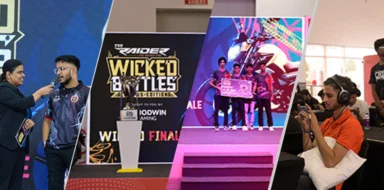
- Road to BGMS Season 5: Registrations For 2026 TVS Raider Wicked Battle Are Live
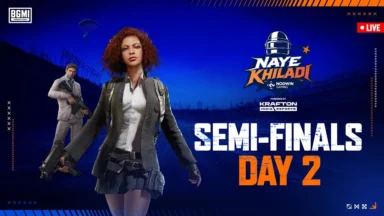
- BGMI Naye Khiladi: Semi-Finals Day 4 Decides Grand Finalists!
- BGMI Naye Khiladi Semi Finals Day 3 Overall Standings and More
- BGMS Season 5: Nodwin Gaming Teases Upcoming BGMI Masters Series 2026
- PMWC 2026 Groups, Teams, Schedule, Format, and More
Addressing the “Crisis” of Unregulated Gaming
While advocating for the professional sector, Sharma was careful to distinguish between competitive esports and unregulated amateur online gaming. He alerted the house to a growing “crisis” involving gaming addiction and mental health struggles like anxiety and depression among younger users.
He argued that official recognition would actually help solve these issues by providing a regulated framework. “Protecting children in digital spaces is a moral responsibility,” Sharma remarked, suggesting that the government must balance industry growth with rigorous safeguards for minors.
The MP’s proposal arrives at a critical juncture for the industry. As India eyes a $1 trillion digital economy, the formalization of esports could provide the structural backbone needed to turn a popular pastime into a disciplined, world-class sporting discipline. For the millions of gamers in India, this parliamentary focus represents a significant step toward mainstream legitimacy.
How Industry Reacts On This Developement?
Mr Sagar Nair, Head of Incubation, LVL Zero Incubator, “The Rajya Sabha discussion around regulating online gaming and recognising esports as an official sport is an important step toward aligning India’s digital economy with global norms. With over 500 million gamers and a rapidly growing competitive gaming community, formal recognition of esports can help establish clear career pathways, structured training, and professional leagues much like traditional sports and strengthen India’s position in the global digital landscape. At the same time, ensuring child safety and responsible gaming environments is essential, sensible regulation that protects young users and encourages innovation will give studios, platforms, and players the confidence to invest, build, and compete internationally. A balanced policy approach that supports growth while safeguarding users will help unlock the full potential of gaming and esports as both creative industries and legitimate competitive pursuits.”
Vishal Parekh, Chief Operating Officer, CyberPowerPC India, “This is a very encouraging moment for the industry. Policy-level conversations signal that gaming and esports are being viewed with greater seriousness. A balanced regulatory framework centred on child safety can foster a healthier ecosystem while giving parents more confidence in how young players engage with gaming. When a space is guided by clear rules, age-appropriate participation, and structured oversight, it naturally reassures families and encourages more responsible engagement.
Official sports status could be transformative, it introduces structure, accountability, and formal guidelines that bring greater discipline to the ecosystem. For parents, this shifts esports closer to traditional sport, where coaching, scheduled practice, and monitored participation are part of a defined pathway. Over time, this clarity can help India cultivate homegrown athletes ready for global arenas. The impact would extend across the ecosystem, encouraging educational institutions to invest in facilities, prompting brands to take a longer-term view, and expanding careers in coaching, analytics, broadcasting, and performance management.
As competitive standards rise, expectations from technology will follow. Players will need high-performance systems they can rely on. At CyberPowerPC India, we see this as a defining shift toward future-ready infrastructure that supports serious training and sustained performance. Above all, recognition strengthens a powerful belief among young Indians, that with discipline, guidance, and balance, gaming can evolve into a credible and rewarding professional path.”
Mr Rohit Agarwal, Founder & Director, Alpha Zegus, The Rajya Sabha appeal to regulate online gaming with child safety in mind acknowledges a reality the ecosystem has been discussing for years- that gaming is now a mass medium with real social impact, and that robust guidelines, not ad-hoc reactions, are needed. Bringing child safety into the conversation is important, but it must be rooted in evidence, balanced policy and industry collaboration rather than fear. Any regulation should protect young users without stigmatizing gaming as inherently harmful.
Official sports status for esports would be a significant policy signal, but the real impact will be felt in funding, institutional support, recognition and legitimacy. For example:
- Access to public funds and grants: Sports-recognized disciplines can tap into government schemes for athlete development, international competitions and infrastructure.
- Structured athlete pathways: With sports status, esports players could be eligible for scholarships, national camps, coach certification and performance support similar to traditional athletes.
- Education and welfare frameworks: Schools and universities may integrate esports into physical education and scholarship programs, improving talent pipelines.
- Brand and sponsorship confidence: Sports status reduces ambiguity for brands and sponsors, making long-term investments easier and less speculative.
Importantly, sports status doesn’t automatically solve all issues. it needs to be paired with clear regulation around data, player welfare, and monetisation. But as a framework, it shifts esports from a fringe entertainment category to a recognised competitive discipline, which strengthens both industry credibility and ecosystem structure.
Gautam Virk – Co-Founder & CEO at NODWIN Gaming, MP Kartikeya Sharma’s remarks in the Rajya Sabha reflect an important shift in how policymakers are beginning to view India’s online gaming and esports ecosystem. At the same time, granting official sports status to esports would be a landmark step. Esports is already a medal sport at multi-sport events globally and operates on principles of skill, training, strategy, and competitive integrity. Formal recognition in India would help unlock structured athlete development pathways, enable access to institutional support, encourage state-level competitions to build grassroots programs, and bring greater legitimacy to professional players who represent the country internationally.
A well-defined esports framework will strengthen investor confidence and provide long-term stability to stakeholders across the ecosystem from athletes and teams to publishers and tournament organizers. The call for stronger child safety measures is timely and necessary as the ecosystem scales, responsible governance and age-appropriate safeguards must evolve alongside it. The regulation should be balanced with growth, protecting children and ensuring safe digital spaces while not stifling innovation or community-led engagement.
 Cricket
India squad for Sri Lanka Tests to be picked this week: Bumrah, Jadeja to return, Washington Sundar doubtful
Cricket
India squad for Sri Lanka Tests to be picked this week: Bumrah, Jadeja to return, Washington Sundar doubtful