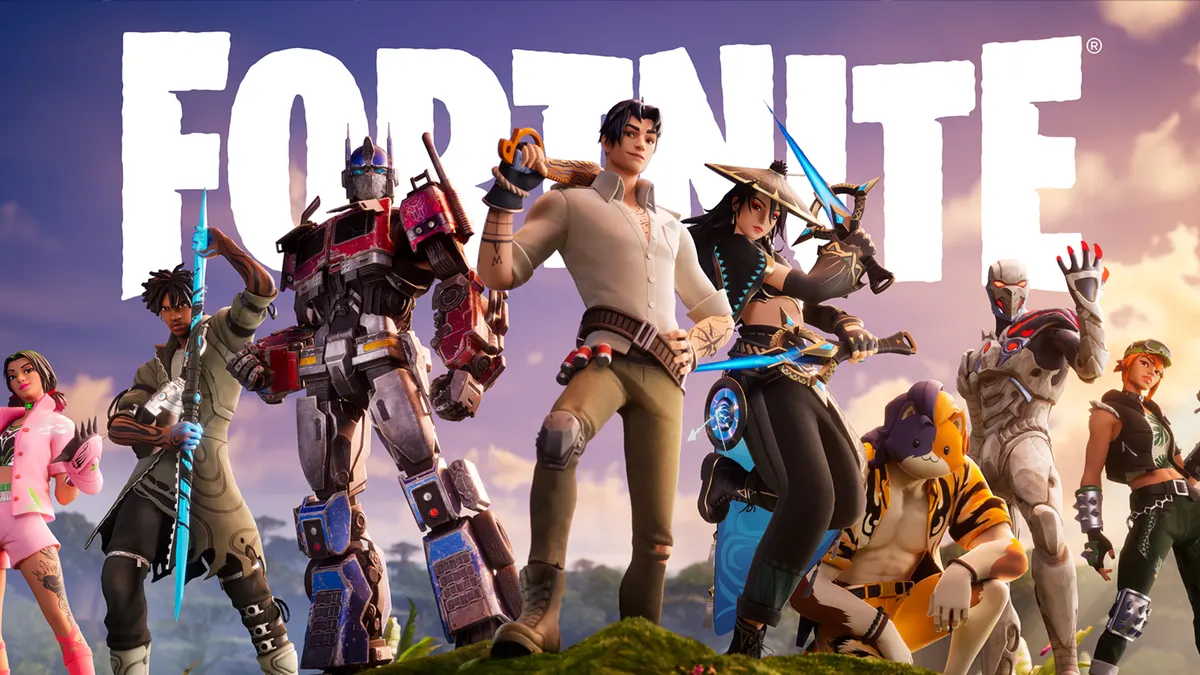
In a stunning twist to one of tech’s most bitter rivalries, court proceedings have unearthed a secret $800M partnership between Epic Games and Google. While the two giants have spent years battling over antitrust laws and app store monopolies, it appears they have simultaneously been crafting a massive six-year commercial agreement behind closed doors.
Google and Epic Games Teams Up: The $800M “Transfer of Value”
According to report by Verge, revealed during a recent hearing, the deal involves Epic Games spending approximately $800 million over six years on Google services. This marks a significant reversal from previous narratives, where Google was accused of paying developers to stay loyal to the Play Store (Project Hug). Epic CEO Tim Sweeney testified that this new arrangement represents a “significant transfer of value from Epic to Google,” with the gaming giant agreeing to use Google services “at market rates” rather than avoiding them.
Fortnite, Android, and Unreal Engine
The partnership isn’t just about cash; it’s a strategic trade-off. The terms outline a symbiotic marketing exchange: Epic will help market the Android ecosystem, while Google will put its weight behind marketing Fortnite.
Perhaps most intriguingly, the deal grants Google expanded access to Epic’s “core technology”—the Unreal Engine. Sweeney hinted that Google intends to use the engine to “train their products,” likely for AI simulations or XR (extended reality) projects. This access seems to be a critical piece of the puzzle for Google, which has been ramping up its own immersive technology efforts.
Read More about BGMI
- “Biggest Choke” S8UL Owner Thug Seems Unhappy With Team Performance
- Godlike Esports Becomes BMPS 2026 Champions, Secures Spot at EWC 2026
- BMPS 2026 Grand Finals Day 3 Points Table Standings and More
- BMPS 2026 Grand Finals Awards List – Finals MVP, Best IGL, and More
- BGMI 4.5 Update Leaks Reveal Upcoming Themed Mode, Features, and More
A “Metaverse” Alliance?
When pressed by Judge James Donato about the nature of this collaboration, Sweeney dropped the buzzword that ties it all together: the metaverse. He described the agreement as “metaverse-related,” suggesting that Google needs high-fidelity 3D environments—like those powered by Unreal—to build out its next-generation spatial computing or AI models.
This “frienemies” pact highlights the pragmatic reality of Big Tech. While Epic and Google fight tooth and nail in the courtroom over principles of open competition, their commercial interests—specifically in dominating the future of the 3D web—force them to rely on one another. For now, the legal war may be settling, but the race for the metaverse is just heating up.
 Cricket
Drop Samson or Abhishek? Vaibhav Sooryavanshi reported to make India debut in 1st T20I vs Ireland
Cricket
Drop Samson or Abhishek? Vaibhav Sooryavanshi reported to make India debut in 1st T20I vs Ireland