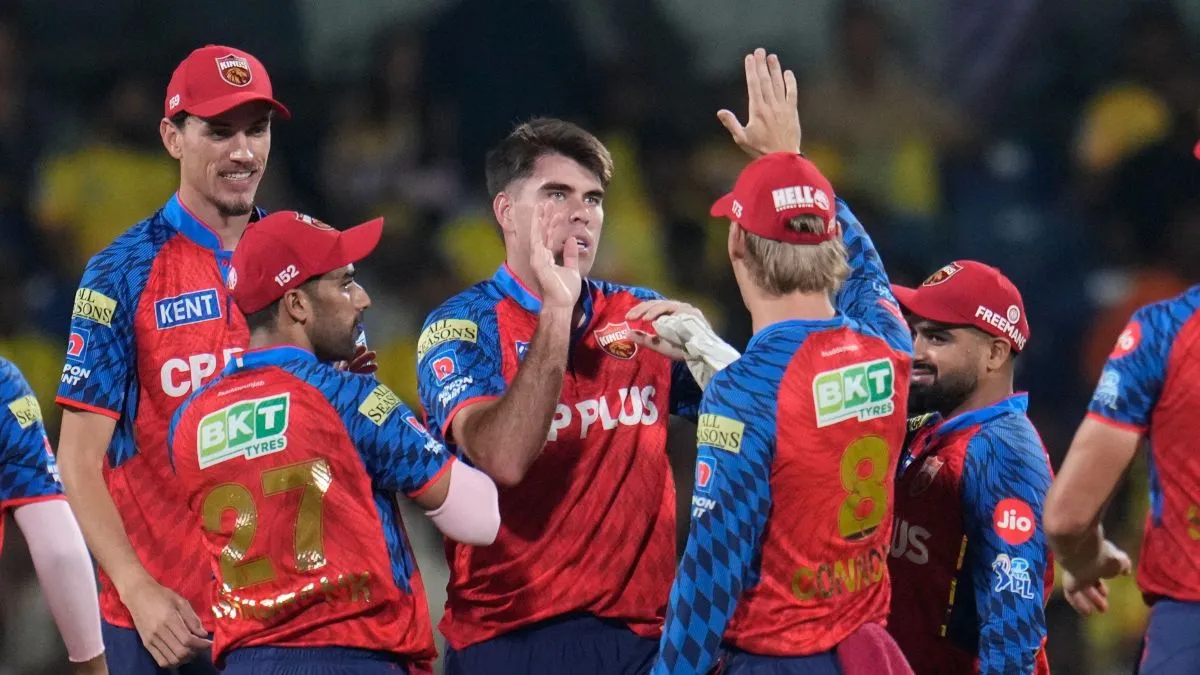
Never in his T20 career has Quinton de Kock faced defeat after scoring a century. On Thursday, he did, but Punjab Kings thrashed Mumbai Indians by 7 wickets to ruin the party. De Kock’s 112-run knock did not help as a dip in the Acceleration Band (13-16) had Mumbai cornered. Punjab blazed through the same period, and as a result, they chased down a 196-run target with 21 balls to spare, thanks to Prabhsimran Singh (80 off 38) and Shreyas Iyer (35-ball 66). The win helped them top the IPL 2026 Points Table with 9 points from 5 matches.
Punjab Kings were ahead in every phase of the game in a chase of 196. Even as they lost wickets, their batters kept hammering. Poor bowling from Mumbai’s pace attack helped them in their cause as well.
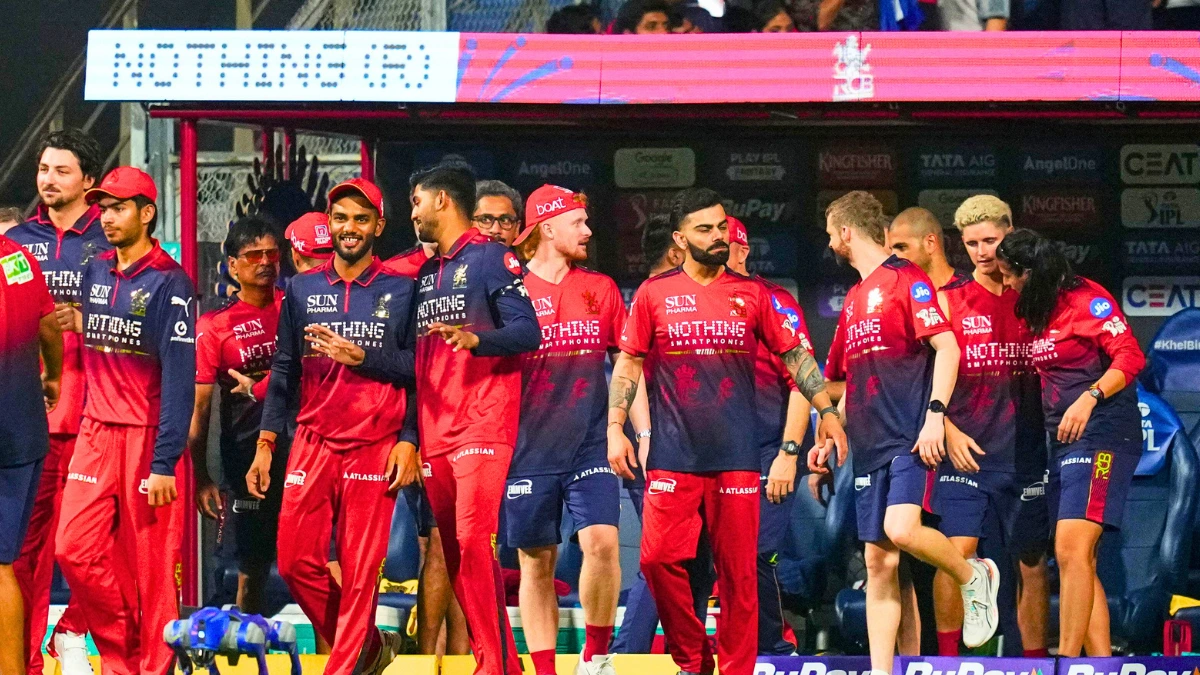
Fast start, efficient batting
Punjab Kings needed a fast start, and they got that from Priyansh Arya and Prabhsimran Gill. Before Arya fell in the third over, he already smashed 15 off 9. Allah Ghazanfar struck in the powerplay again as he dismissed Cooper Connolly in the 5th over. But those wickets did not matter as Punjab already had 52 runs on board after an early assault on Deepak Chahar by Arya. Punjab ended the powerplay with 61/2, ahead of Mumbai by 13 runs, with a better Entry Velocity.
Mumbai Indians had a poor start as they were sent to bat. Arshdeep Singh ended his powerplay wickets drought and dismissed Ryan Rickleton and Suryakumar Yadav in consecutive deliveries of the 3rd over. But Naman Dhir and Quinton de Kock managed to rescue quickly, ending the first phase with 48/2 at 8 runs an over.
Shared Stability Window
The only phase Mumbai Indians could call themselves winners was in the Stability Window (Overs 7-12). Quinton de Kock was exceptional on his return to the team. The South African along with Naman Dhir, bossed over the phase as they added 77/0, scoring at 12.83 runs per over. Both batters brought up their half-centuries.
Punjab had a similar phase where Prabhsimran Singh and Shreyas Iyer added 69 runs at 11.50 runs per over, a little behind Mumbai. But they were still ahead in the game as they had a better powerplay.
The phase that decided the winner
However, it was the next phase that decided the winner. The four overs of the Acceleration Band (Overs 13-16), where MI and PBKS parted ways structurally. With Naman Dhir and Quinton de Kock on the crease, Mumbai were in a good position. They started the phase well with Yuzvendra Chahal going for 15 runs in the 12th over. But Marco Jansen and Shashank Singh turned things around. Jansen went for 7 in the 13th over, while Shashank dismissed Dhir (50 off 31) in the 14th over, giving away just 4 runs. Mumbai scored 35/1 at 8.75 per over in overs 13 to 16.
Already ahead in the chase, PBKS scored 58/1 at 14.50 runs per over in the same phase.
| Phase | Overs | Mumbai Indians | Scoring rate | Punjab Kings | Scoring rate | Winner |
|---|---|---|---|---|---|---|
| Entry Velocity | 1-6 | 48/2 | 8.0 | 61/2 | 10.17 | PBKS |
| Stability Window | 7-12 | 77/0 | 12.83 | 69/0 | 11.50 | MI |
| Acceleration Band | 13-16 | 35/1 | 8.75 | 58/1 | 14.50 | PBKS |
| Closure Efficiency | 17-20 | 35/3 | 8.75 | 10/0 | N/A | PBKS |
Not an Efficient Closure
One also has to talk about Mumbai’s Closure Efficiency (Death overs: 17-20), which was not efficient at all. After losing gas in the Acceleration Band, Mumbai needed a spark in the death. Arshdeep Singh’s 4-0-22-3 was the most economical bowler of the match. He had also done severe damage to MI in the Entry Velocity with two key wickets. That spell helped Punjab restrict Mumbai to 35/3 with a set batter, Quinton de Kock, facing just 10 deliveries in the death.
In that same phase, Mumbai lost Hardik Pandya, Sherfane Rutherford and Tilak Varma, scoring at 8.75 runs per over.
With only 70 runs scored in 8 overs when they had to go at over 12-13 on a batting-friendly Wankhede Stadium pitch, Mumbai Indians were already behind the par score by 15-20 runs.

De Kock’s innings was exceptional, with 112 from 60 balls across every phase of MI’s innings. He carried their batting almost single-handedly. But the platform his Stability Window phase created was not converted by the innings around him.
With only 70 runs scored in 8 overs when they had to go at over 12-13 on a batting-friendly Wankhede Stadium pitch, Mumbai Indians were already behind the par score by 15-20 runs.
Prabhsimran and Shreyas Iyer then put on 139 runs between over 4.3 and 15.3, a partnership that made every other phase of the chase irrelevant. And that gap in the four overs of the Acceleration Band and a botched-up Closure Efficiency meant PBKS reached the 196-run target with 21 balls to spare.
Punjab Kings finished with a PCM total of 56.9 (CONTROLLED). Mumbai Indians finished at 45.7 (CONTESTED). The structural gap of 11.2 points reflects a match where equal middle-overs performances were separated by a single four-over phase that PBKS won comprehensively.
Powered by Rajarshi Gupta’s Phase Control Model.
What is PCM?
The Phase Control Model (PCM) is a structural cricket analytics framework created by Rajarshi Gupta that explains when a match is decided and why, not just who won. PCM divides every T20 innings into four phases:
Each phase is scored and weighted by structural importance, producing a single PCM total per team. The higher the score, the greater the structural control. A team can score more runs than their opponents in a phase and still lose it structurally, if they lost more wickets doing it. PCM explains what the scorecard cannot.
- Entry Velocity (Overs 1-6): The powerplay. Sets the structural platform.
- Stability Window (Overs 7-12): The middle overs. The phase that decides more matches than any other.
- Acceleration Band (Overs 13-16): The highest-weight phase. Where IPL 2026 matches are being decided.
- Closure Efficiency (Overs 17-20): Death overs execution under pressure.
Updated Points Table after MI vs PBKS match
| Team | P | W | L | NR | Pts | NRR |
|---|---|---|---|---|---|---|
| PBKS | 5 | 4 | 0 | 1 | 9 | 1.067 |
| RCB | 5 | 4 | 1 | 0 | 8 | 1.503 |
| RR | 5 | 4 | 1 | 0 | 8 | 0.889 |
| SRH | 5 | 2 | 3 | 0 | 4 | 0.576 |
| DC | 4 | 2 | 2 | 0 | 4 | 0.322 |
| GT | 4 | 2 | 2 | 0 | 4 | -0.029 |
| LSG | 5 | 2 | 3 | 0 | 4 | -0.804 |
| CSK | 5 | 2 | 3 | 0 | 4 | -0.846 |
| MI | 5 | 1 | 4 | 0 | 2 | -1.076 |
| KKR | 5 | 0 | 4 | 1 | 1 | -1.383 |
Next IPL 2026 match
| Match | Venue | Time |
|---|---|---|
| Gujarat Titans vs Kolkata Knight Riders | Narendra Modi Stadium, Ahmedabad | 7:30 PM |
 Cricket
India squad for Sri Lanka Tests to be picked this week: Bumrah, Jadeja to return, Washington Sundar doubtful
Cricket
India squad for Sri Lanka Tests to be picked this week: Bumrah, Jadeja to return, Washington Sundar doubtful