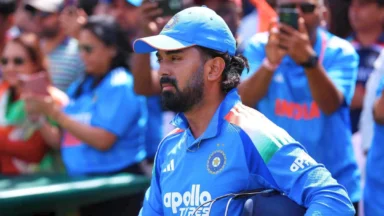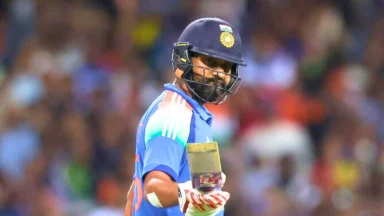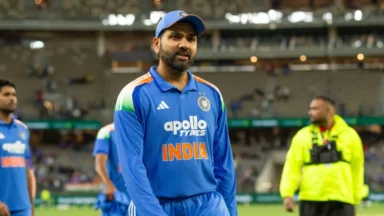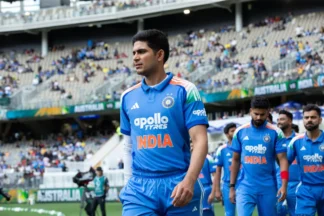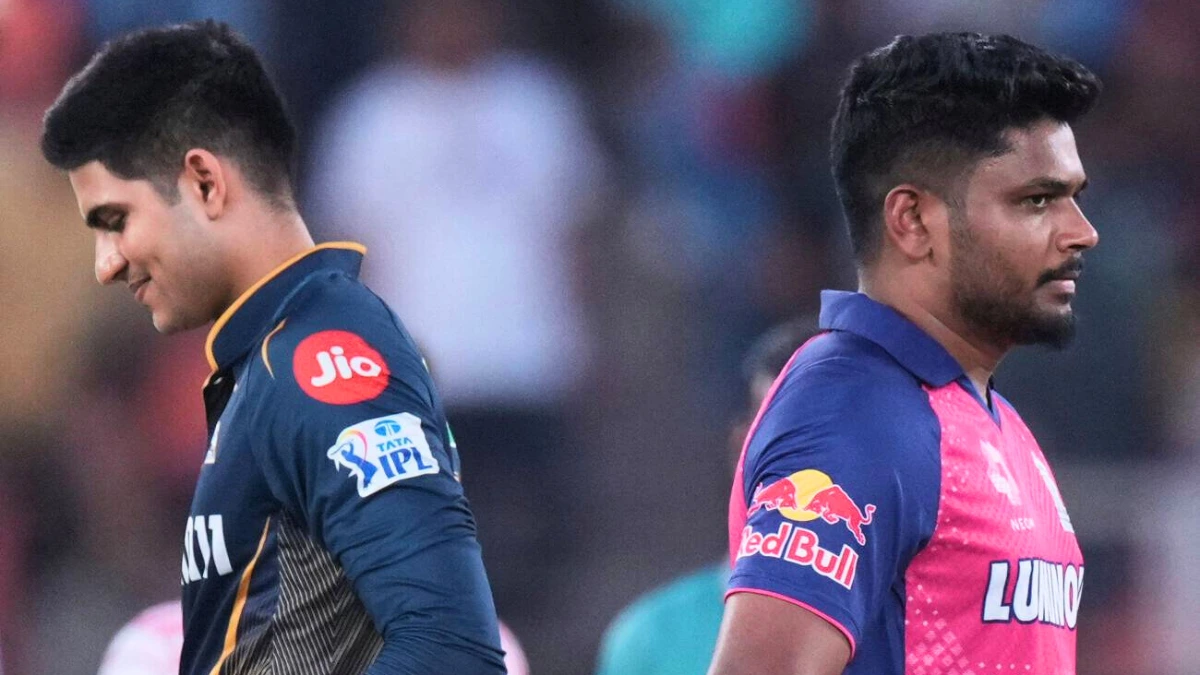
For the longest time, Indian cricket has struggled not with a lack of talent, but with an abundance. Every selection dilemma is less about who is good enough and more about who fits best. Shubman Gill’s omission from India’s T20 World Cup 2026 squad falls squarely into that category.
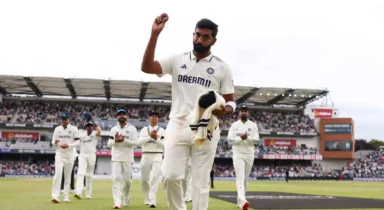
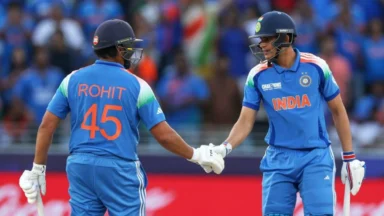
Gill is not short on credentials. He is India’s Test and ODI captain, one of the most consistent batters across formats, and a proven leader after his heroics in the Test series in England. But T20 cricket does not reward reputation. It demands instant impact, clarity of role and a current form. And that, perhaps, is where Gill’s problem truly lay.
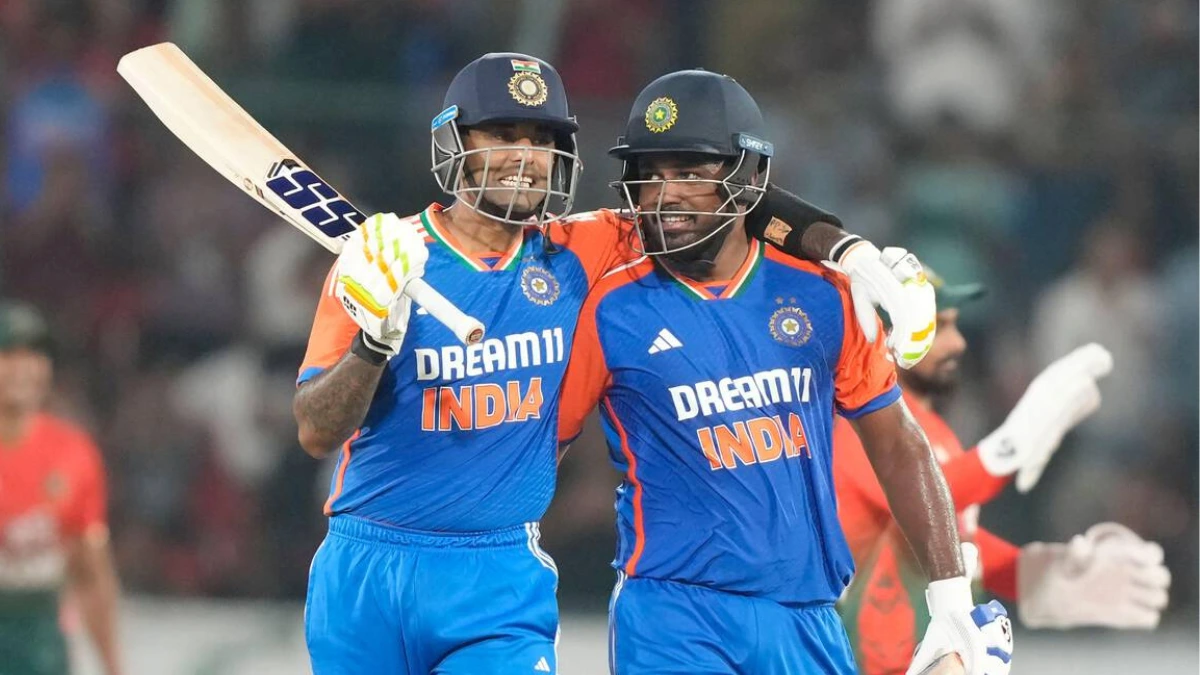
India’s T20 setup was already moving in a clear direction. Abhishek Sharma and Sanju Samson had settled into opening roles, and the middle order had defined responsibilities. However, BCCI’s obsession with forcing Gill to be an all-format player caused issues. Gill’s return, and his elevation as vice-captain, disturbed that rhythm rather than strengthening it. Despite him having all the potential, his numbers fell with no fifty in 15 innings and a strike rate under 140, something hugely mediocre with a home T20 World Cup coming.
Gavaskar-Srikkanth analogy explains the selection rethink
As a result, the selection committee offered a late pivot in their plans and dropped Gill from the squad for the T20 World Cup 2026. It allowed the return of the Abhishek-Samson combo, while Rinku Singh made his comeback in the team, as he adds variety with his left-handedness and is a much better pace hitter.
Former India batter and coach WV Raman believes the selectors misread the format while trying to future-proof leadership. According to him, Gill’s exclusion is not an indictment of his quality but a recognition of what T20 cricket demands today. To put his point into perspective, Raman reached for a powerful historical comparison. He likened the Gill situation to a hypothetical choice between Sunil Gavaskar and Kris Srikkanth in a T20 setup. Gavaskar may have been the greater Test batter, but Srikkanth’s intent and tempo would suit the format better.
“Gill hasn’t been dropped for any significant fault of his. Just that the players around him are more explosive than him, a quality that is essential in modern-day T20 cricket. In an imaginary scenario, it is almost like choosing K Srikkanth over Sunil Gavaskar for the T20 format, knowing full well who the better batter in the format actually could be. That’s why I was wondering why it was necessary to make him the T20 vice-captain at that stage, when so many others fit the T20 bill so well,” Raman told TOI.
Shubman Gill vs Sanju Samson: T20I stats comparison as opener (from July 1, 2024 onwards)
| Matches | Runs | Highest Score | Average | Strike Rate | 100s | 50s | |
|---|---|---|---|---|---|---|---|
| Shubman Gill | 22 | 534 | 66 | 29.66 | 133.50 | 0 | 2 |
| Sanju Samson | 14 | 454 | 111 | 34.92 | 181.60 | 3 | 0 |
 Cricket
India squad for Sri Lanka Tests to be picked this week: Bumrah, Jadeja to return, Washington Sundar doubtful
Cricket
India squad for Sri Lanka Tests to be picked this week: Bumrah, Jadeja to return, Washington Sundar doubtful