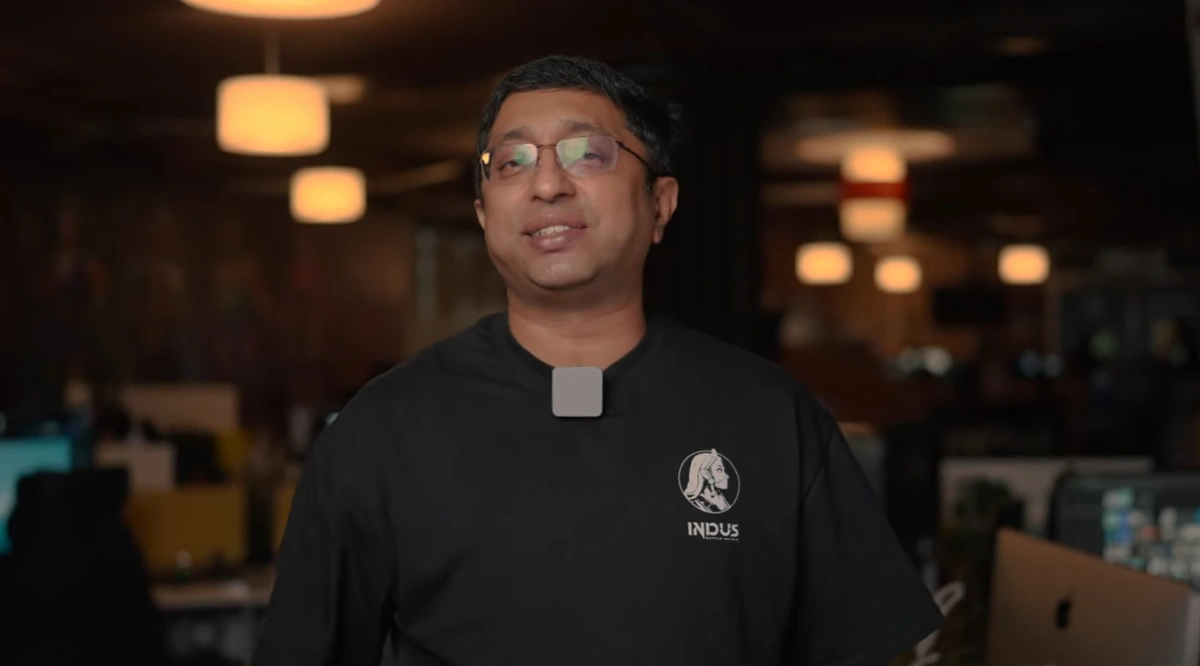
In an exclusive interview with InsideSport, Roby John, CEO and Co-founder of SuperGaming—the studio powering Indus Battle Royale—shares bold visions for injecting Indian culture into the global gaming arena through characters like Sartaj and Morni, relentless server-side optimizations to combat lag, and a strategic pause on esports until the game’s worldwide rollout.
Indian Culture’s Global Gaming Debut through Indus Battle Royale
What role do you see for Indian culture representation in the global gaming market through Indus Battle Royale?
Roby – Indian music, movies, and cuisine are global, yet Indian culture is noticeably missing from video games. We saw this as a massive opportunity. Gaming is an expression of our art and culture; just as the movie industry without Bollywood feels incomplete, a huge gaming market without local representation leaves a gap.
Unlike my previous game, MaskGun, which had only one Indian character, Indus is built on Indian stories, represented by characters like Sartaj, Morni, and Pokhran. The global reception has been validating; we actually have more pre-registrations outside India than inside. If Indians can enjoy American games like Call of Duty, we believe the world is ready to enjoy a game rooted in Indian culture.
Read More about BGMI
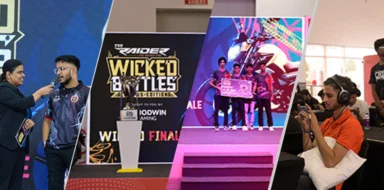
- Road to BGMS Season 5: Registrations For 2026 TVS Raider Wicked Battle Are Live
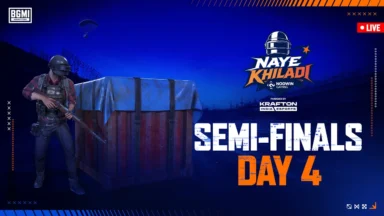
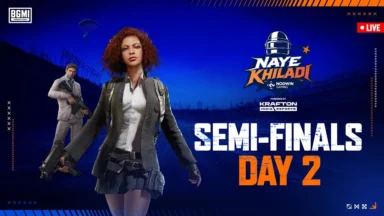
- BGMI Naye Khiladi: Semi-Finals Day 4 Decides Grand Finalists!
- BGMI Naye Khiladi Semi Finals Day 3 Overall Standings and More
- BGMS Season 5: Nodwin Gaming Teases Upcoming BGMI Masters Series 2026
- PMWC 2026 Groups, Teams, Schedule, Format, and More
How does SuperGaming plan to address the ongoing lag and control issues that affect gameplay smoothness in the Indus?
Roby: Lag is a ‘forever fight’ in real-time shooters because we don’t control the player’s network or the public internet. Our strategy is to optimize relentlessly.
Unlike games that run on the client side try to hide lag, which often results in poor hit registration; Indus runs heavily on the server. We made this choice to ensure the precision and fairness required for an esport. It is a difficult challenge on mobile devices, but over the last year, we have made improvements to mask lag without sacrificing accuracy.
So fans and players are questioning the game’s empty maps and repetitive weapon crate design. So what’s your take on this?
Roby: Look, making a new map takes about a year, and that year has passed now. In fact, our new Brazil map was leaked recently. While open maps are part of the design, you are now seeing slightly more populated, smaller maps in our Brazil launch.
Do you have any daily active player data or any plan to share it in the future?
Roby: Indus hasn’t launched worldwide yet; our focus right now is entirely on preparing for that global launch. We currently have around 100k daily active users across our games. We are figuring out how to scale that, and you will see the results of our global rollout in the next 3 to 6 months. We aren’t doing any active promotion yet, but once the global launch happens, each region will be handled separately.
What are the future content plans, such as new modes or characters or events?
Roby: “We have four new modes in the pipeline, including an Extraction mode and an ability shooter, some of which we are actively testing in Brazil. Our goal is to introduce new modes every season.
Crucially, we have already developed content for the next 3-4 seasons, but we are saving much of it for our global launch. If we release everything in India first, international players might view it as ‘old content’ when it finally reaches them. We want to ensure that when we go global, the experience feels fresh and exclusive for everyone.”
Can you detail the use of Super Platform and its benefits for Indus and other games?
Roby: If you look at the top gaming companies like Epic Games and Valve, they all operate on three distinct layers: an Engine (Unreal/Source), Content (Fortnite/Counter-Strike), and a Marketplace (Epic Store/Steam).
At SuperGaming, we saw an opportunity because no one had built this specifically for mobile. That is what Super Platform is; a domain-specific platform designed for mobile shooters and casual mobile games. It powers all our titles, from Indus to our upcoming cricket game. It allows us to optimize for everything from low-end to high-end devices and significantly speeds up our development because we aren’t recreating the wheel for every new game. So that’s kind of why we use Super Platform for all of our games. Including a new cricket game that is coming.
How is SuperGaming planning to evolve the Indus Battle Royale’s Esports ecosystem?
Roby: Right now, the most important step for us is the global launch of Indus. If the player base stays limited to India, the kind of esports ecosystem we all want simply can’t scale. That’s why our focus has been on taking Indus worldwide. Which is why you’ve also seen fewer esports announcements, knowledge, etc from us lately, and that’s intentional.
A lot of changes are underway. Many changes are coming to Indus. Which is why we’ve kind of said that, hey, let’s first launch our game globally before we kind of do anything more in esports.
The LAN finals of the Indus International Tournament were postponed due to the war-like situation in India. So there is no update for the event after that. So what has happened with the 15 finalist teams that had qualified for the LAN event?
Roby: The IIT LAN Finals were postponed because of the difficult situation in the country at that time, and since then our priority has been preparing Indus for its global launch. We had international teams who had qualified and were set to participate. But since Indus is not yet available in their regions, moving ahead wouldn’t have been fair. Now that we’re close to a global launch, our stance is simple and consistent: we will only host large-scale esports events once the game is available globally.
We had several partnerships inside of it and international teams coming in, and we want to honour all of them in the right way.
So basically, the LAN finals will be happening in the future, right? After the global launch has happened.
Roby: Correct. Correct. That is our intention.
 Cricket
India squad for Sri Lanka Tests to be picked this week: Bumrah, Jadeja to return, Washington Sundar doubtful
Cricket
India squad for Sri Lanka Tests to be picked this week: Bumrah, Jadeja to return, Washington Sundar doubtful