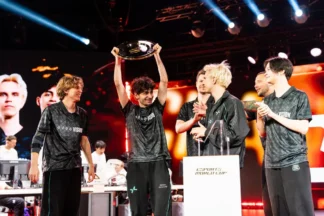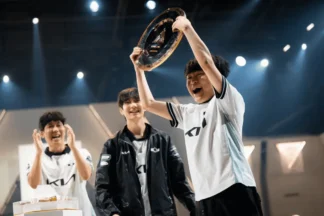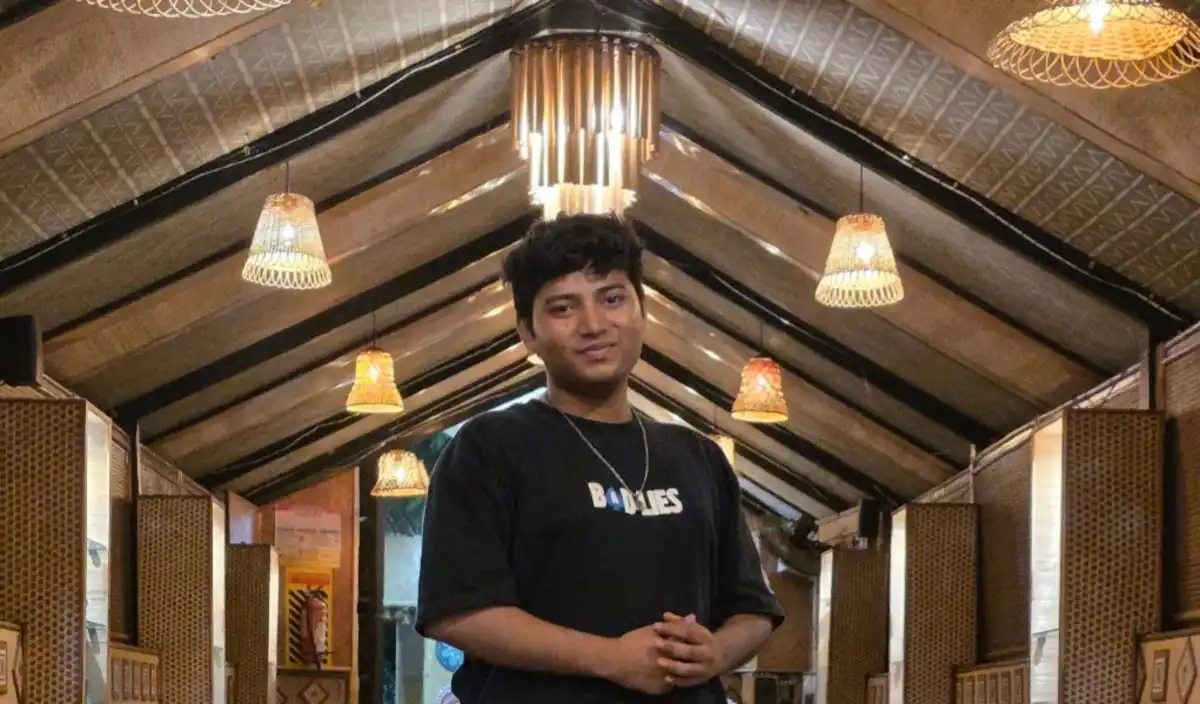
Earlier this year, Jio partnered with BLAST to form JioBLAST, a joint venture aimed at building world-class esports experiences and marquee tournament IPs in the country. In an exclusive conversation with InsideSport, Yash Warghane, who leads Strategy & Operations at the CEO Office of JioBLAST, spoke about the growth of esports marquee IPs and partnerships in India, sharing insights into how collaborations like JioBLAST are driving the next phase of the nation’s gaming evolution.
The Core Drivers Behind Esports IP Growth
What are the main drivers behind the rapid growth of marquee esports IPs globally and in key markets like India?
Yash: Globally, marquee esports IPs are scaling on the back of three core pillars: consistent competitive storylines/formats, strong creator/team-led fandom, and mass commercial, distribution & broadcast frameworks. Across the world, esports is now being consumed as mainstream entertainment.
India is experiencing this on a different trajectory. Here, esports is rising on the back of a massive mobile-first player & fan base, low-data cost & accessibility and a young digital-native demographics that treats competitive gaming as entertainment while adopting new IPs fast. India is one of the few large markets where esports and competitive gaming is becoming entertainment before it becomes sport. It is growing from the bottom-up: community-first, creator-first, and social-first.
How does innovation in gameplay, storylines, and production quality contribute to building successful esports marquee IPs?
Yash: Innovation keeps the fun real, alive and engaging in esports. It is what turns an event into an IP. Gameplay/Formats updates formats keep the meta fresh ensuring every season feels new.
While new storylines always gives fans someone to root for: strong rivalries, rising underdogs, regional pride, and creator personalities. Innovative high-quality production elevates the experience to above mainstream entertainment level, new tech like cinematic cams, AR graphics, commentary styles, regional overlays, and hybrid creator segments curate a key experience that woo fans and make the come back to keep watch their favorite esports streams.
It’s the combination of these which makes IP appointment viewing. Fans are now looking forward from just seeing the streams for who wins, they come for a complete experience.
In your view, how critical is the monetization of esports IPs for long-term industry sustainability?
It’s absolutely critical as a business, monetization is the only way to keep the engine running. Esports has long past the age where passion kept it alive. Today, the esports industry heavily relies on publisher fundings or branding sponsorships. For the long term, esports needs to become a sustainable ecosystem.
We need to diversify revenue streams by adapting diversified phygital brand inventory, media rights, in-game activations, direct fan monetizations, and commerce tie-ins. Esports is at a stage where the economics must catch up the scale of growth audience. Also sustainability is less about “making money today” and more about building a repeatable revenue framework for what’s coming next.
Read More about BGMI
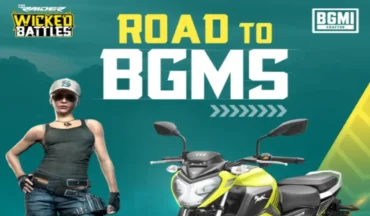
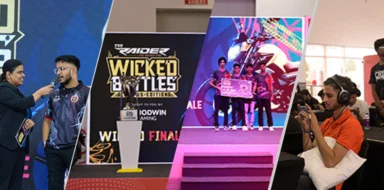
- Road to BGMS Season 5: Registrations For 2026 TVS Raider Wicked Battle Are Live
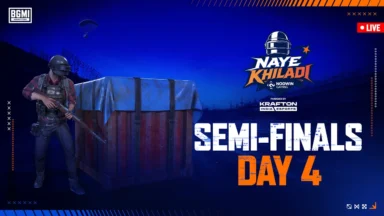
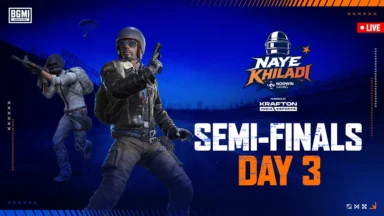
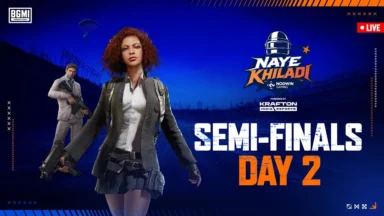
- BGMI Naye Khiladi: Semi-Finals Day 4 Decides Grand Finalists!
- BGMI Naye Khiladi Semi Finals Day 3 Overall Standings and More
- BGMS Season 5: Nodwin Gaming Teases Upcoming BGMI Masters Series 2026
- PMWC 2026 Groups, Teams, Schedule, Format, and More
Media Rights and Broadcasts: The Power of Partnerships in Esports
Could you share insights on how media rights, streaming platforms, and broadcast partnerships influence the market dynamics?
Over the last few years, media rights and streaming partnerships have become a competitive advantage. Streaming platforms bring guaranteed & distribution innovations reach especially in a mobile-first market like India. Exclusive media rights helps IPs secure predictable revenue & provides accessibility and as platforms start to compete for exclusive rights, esports gets valuation uplift similar to traditional sports. Strong media partnerships also benefits the whole ecosystem, it helps localise the content, increase watch time, partner visibility and provides athlete recognition.
What future trends do you see emerging in esports partnerships, especially regarding international cooperation and cross-industry collaborations?
As the esports industry grows in India, some trends I see across cross-industry partnerships is FMCG, F&B, OTT, music labels, fashion, and auto brands are now co-creating experiences, not just sponsoring logos anymore like previous curating cohesive partnerships instead of just sponsor titles.
While Global brands want to enter India through gaming because it hits young audiences authentically. Global Publishers on the other hand are looking to work with regional operations to understand and build locally resonant formats and distribution. Brands are looking for creator-first activations making Esports IPs blend competition and entertainment to drive most of the partnership innovation. We will see a splurge of these collaborations as the industry grows further.
How can esports platforms adapt their IP and partnership strategies to cater to diverse audiences across different geographies?
The key is localisation with a spine. We need to keep the core competitive format consistent, but adapt to local/regional language, talents, culture, creator and regional partnerships. In India we need to adapt. Local grassroot level values Hinglish and regional languages feeds; Tier 2-3 level values community activations; Tier 1 Cities level values large-scale arena experiences.
We need to develop the IPs & partnerships to feel nationally premium but locally familiar. A scalable esports IP is one that can travel across markets without losing its cultural relevance in each region
What role do publishers play in shaping partnerships?
Publishers can help localise the narrative. In India, the presence of regional overlays, creator showmatches, play pro moments, or festival integrations often come from publisher willingness to experiment. These innovations helps IPs scale naturally. Publishers also set the guardrails. They decide sponsorship categories, brandable assets, and the sportsmanlike integrity of the ecosystem which helps strengthen structure.
What’s your personal thesis on where India’s esports scene is headed?
The best thing in India is that we’ve moved from tournament-led to ecosystem-led thinking. Earlier everyone focused on one-off events, tournaments or content. Today across the industry publishers, broadcasters, teams, sponsors and partners care strongly about year-round verticals or activations grassroots, qualifiers, colleges, flagship LANs, and creator integrations that don’t end one-off but are stacked to build long term strategy.
All stakeholders are more confident about esports because they’re now seeing consistency. Earlier brands treated esports like seasonal experiments. Today FMCG, F&B, telecom, OTT, fintech, and automotive categories are making industry-defining multi-season bets and investments. Mobile-first gaming, cheaper data, and regional localisation have made India one of the most competitive markets for esports viewership globally. India is on a strong note to build a defining industry and industry is getting only stronger.
 Cricket
India squad for Sri Lanka Tests to be picked this week: Bumrah, Jadeja to return, Washington Sundar doubtful
Cricket
India squad for Sri Lanka Tests to be picked this week: Bumrah, Jadeja to return, Washington Sundar doubtful