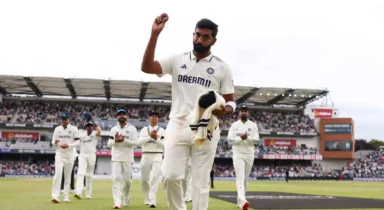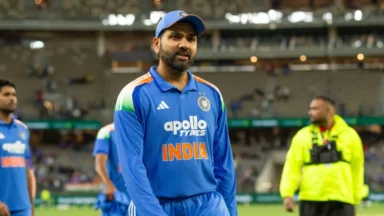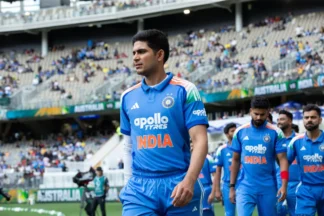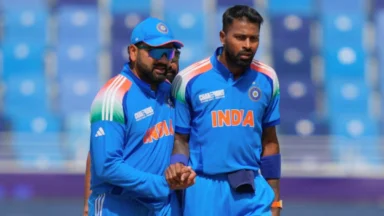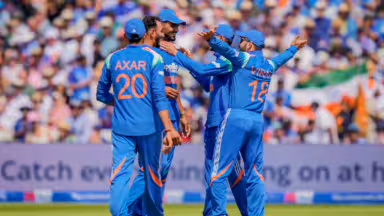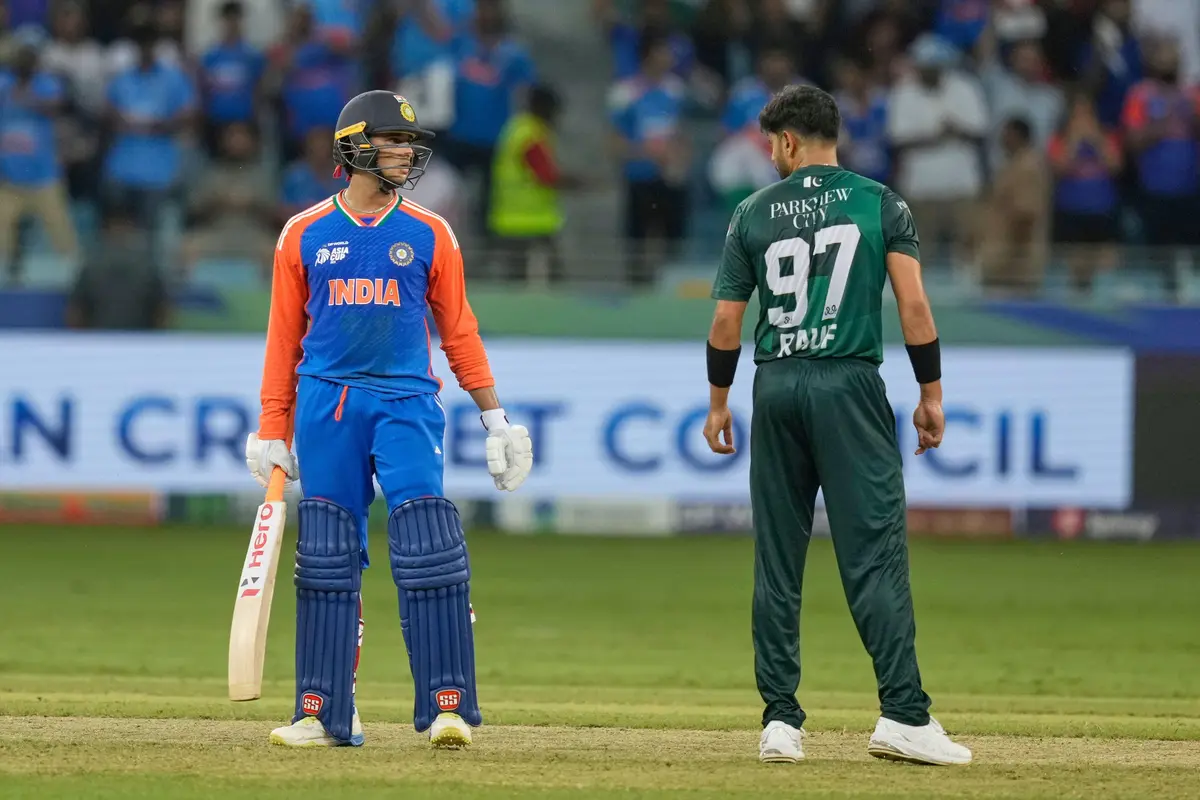
The 2012 T20 World Cup was the last Men’s ICC event where India and Pakistan didn’t face off. Since then, we’ve played 3 editions of the Champions Trophy and ODI World Cup and 5 editions of the T20 World Cup. Each time, the arch-rivals meet. Not in knockout matches but group stage games. What are the odds of that?
ICC’s spurious draws
The truth is, these matches are ‘fixed’. Not the outcomes of the games, but the fact that they have been happening 11 times in a row paints the picture itself. It’s an open secret in cricket. Everyone knows it, but the ICC can’t admit it. Since India and Pakistan don’t play any bilateral cricket, barring the Asia Cup, ICC events are where they play.
ICC realises that to generate money, they have to place India and Pakistan in the same group each time. A big chunk of ICC’s broadcast rights relies on the biggest match in cricket, and so, they bend their own rules.
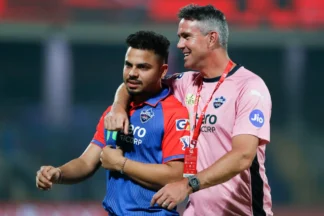
In the aftermath of the Asia Cup debacle, where politics took centre stage instead of cricket, former England captain Michael Atherton has urged the ICC to stop their practice of putting India and Pakistan in the same group.
“Despite its scarcity (maybe, in part, because of its scarcity), it is a fixture that carries huge economic clout, one of the main reasons why the broadcast rights for ICC tournaments are worth so much — roughly $3 billion for the most recent rights cycle (in) 2023-27. Due to the relative decline in the value of bilateral matches, ICC events have grown in frequency and importance, and so the India and Pakistan fixture is crucial to the balance sheets of those who would not otherwise have any skin in the game,” Atherton wrote in his column for The Times.
Atherton wants IND vs PAK matches to stop
The former opener realises it can’t stop until 2027, as the ICC has already been paid for the upcoming India vs Pakistan matches. But he hopes the international body becomes transparent and prepares draws that are fair for all teams. If that means that India and Pakistan don’t play in the group stage, then it’s the way forward.
“If cricket was once the vehicle for diplomacy, it is now, clearly, a proxy for broader tensions and for propaganda. There is little justification, in any case, for a serious sport to arrange tournament fixtures to suit its economic needs, and now that the rivalry is being exploited in other ways, there is even less justification for it. For the next broadcast rights cycle, the fixture draw before ICC events should be transparent, and if the two teams do not meet every time, so be it,” Atherton added.
 Cricket
India squad for Sri Lanka Tests to be picked this week: Bumrah, Jadeja to return, Washington Sundar doubtful
Cricket
India squad for Sri Lanka Tests to be picked this week: Bumrah, Jadeja to return, Washington Sundar doubtful