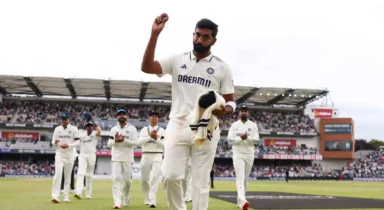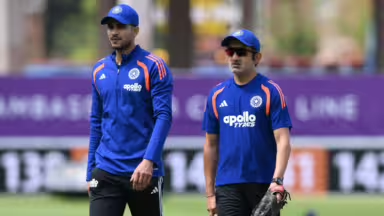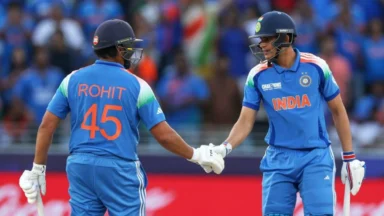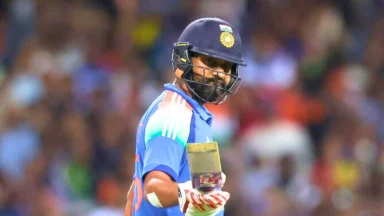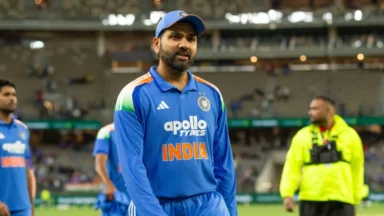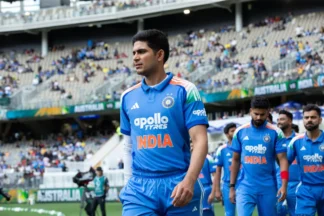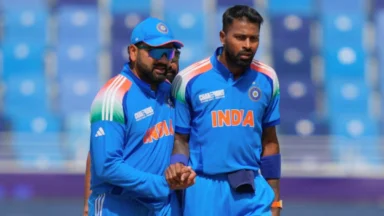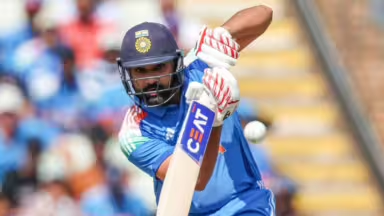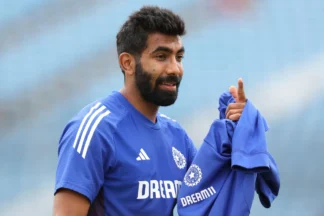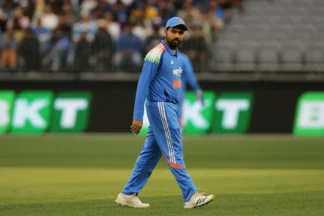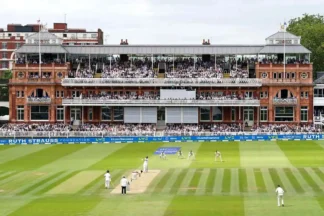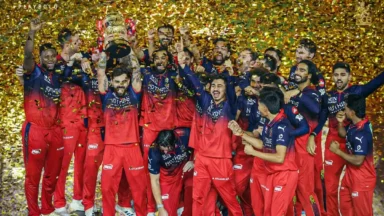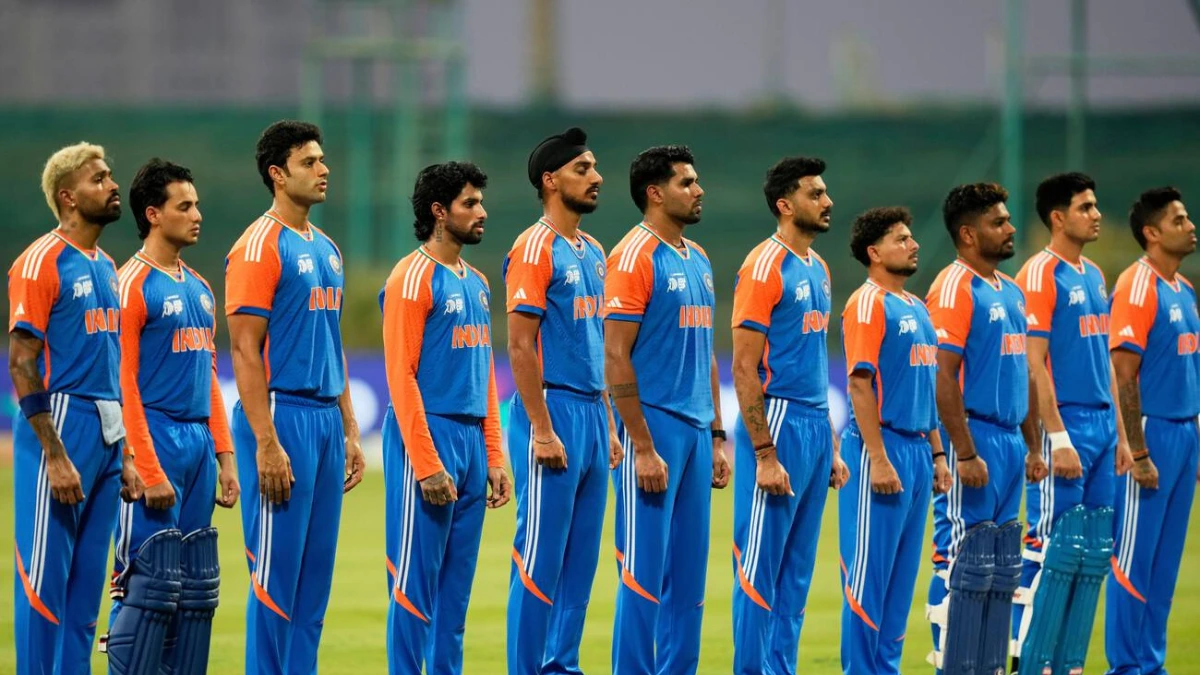
India and Pakistan renew their rivalry on Sunday, September 21, but let’s be honest: this is no longer a competitive matchup. It would not be an overstatement to say that based on the calibre and talent, it is men vs boys. In the previous matchup, India outclassed Pakistan on all fronts. The disparity between the quality is so much that there might be no current Pakistan player who can fit into this Indian team. Perhaps a fit Shaheen Afridi but on these Dubai pitches, India is going ahead with the sole specialist pacer in Jasprit Bumrah so Afridi’s debate goes out of the window too.
Sadly, however, the Asia Cup has become the India vs Pakistan Cup, packaged and marketed for primetime. The schedule is designed to ensure the two sides meet as often as possible, and fans are milked for ticket bundles before single-match passes are reluctantly rolled out. Yet, despite the hype, the group-stage clash in Dubai saw nearly 30 per cent of the stands empty.
IND vs PAK: Drama off the field, mismatch on it
In the past week, cricket has barely featured in conversations around this rivalry. The “handshake saga” and the Pakistan Cricket Board’s demand to sack referee Andy Pycroft dominated headlines. PCB even flirted with a boycott, only to backtrack and face UAE in their final group game. Even against the UAE, Pakistan were saved by some late batting theatrics by Afridi with the bat.
The reality is simpler. On the field, this Pakistan side is no match for India. Since their 2022 Asia Cup win, Pakistan have lost every meeting against India, including the T20 World Cup in Melbourne, where they came agonisingly close but fell short. Since then, their cricket has spiralled. Three captains, constant coaching reshuffles, and a batting unit that continues to collapse under pressure.
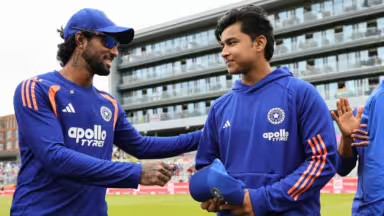
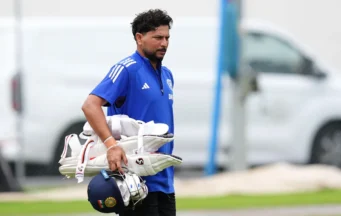
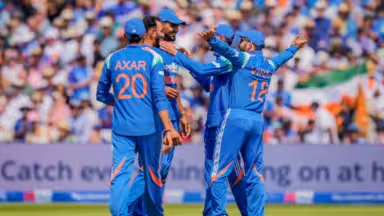
India, meanwhile, look a class apart. Their group-stage win over Pakistan was routine. Kuldeep Yadav, Axar Patel and Varun Chakravarthy tied Pakistan in knots on a slow pitch, while Jasprit Bumrah’s return adds bite to an already well-rounded attack. Abhishek Sharma dismantled Afridi from the onset. The left-arm pacer who once bamboozled the Indian top order was taken down unabashedly by a youngster.
India’s superiority in numbers
The gulf shows in results. Since 2023, India have won 11 of their last 13 T20Is against top-eight nations. Pakistan, in the same period, have lost more than half their matches against the same opposition. Their batting strike rate in T20Is since 2023 sits at 124, compared to India’s 139. India’s bowling economy is 7.3 in that period; Pakistan’s is 8.2.
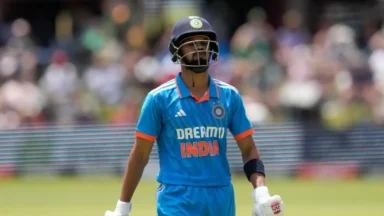
Even in player matchups, the tilt is obvious. Fakhar Zaman, Pakistan’s most reliable batter, has failed against Kuldeep, averaging just 12 in their duels. Suryakumar Yadav, meanwhile, has scored at over 150 against Pakistan’s seamers. Unless Pakistan produce a near-perfect game while India suffer an uncharacteristic meltdown, the script will remain one-sided.
That brings us to the question: what exactly is left in this rivalry? For a contest to be worth its hype, it has to be competitive. At present, India are head and shoulders above Pakistan in talent, planning and execution. But the only reason it pertains to so much hype is due to the rich history and geopolitical tension between these two nations.
 Cricket
India squad for Sri Lanka Tests to be picked this week: Bumrah, Jadeja to return, Washington Sundar doubtful
Cricket
India squad for Sri Lanka Tests to be picked this week: Bumrah, Jadeja to return, Washington Sundar doubtful