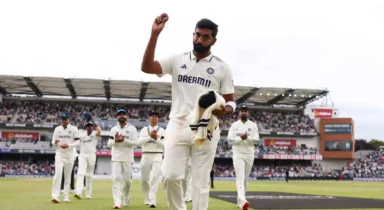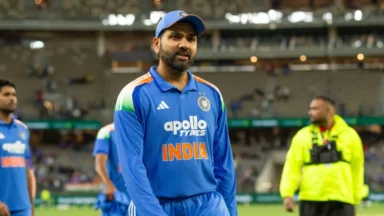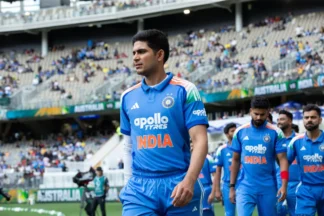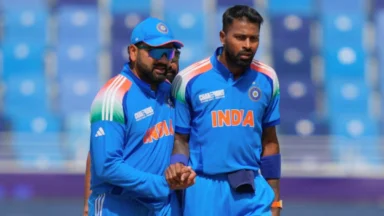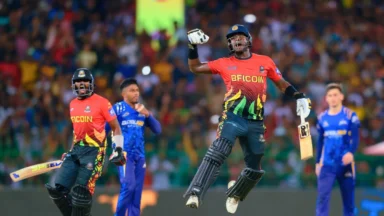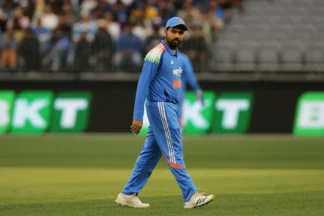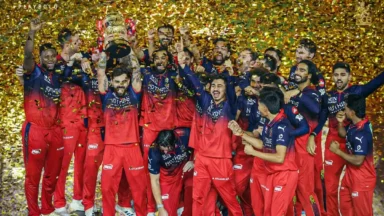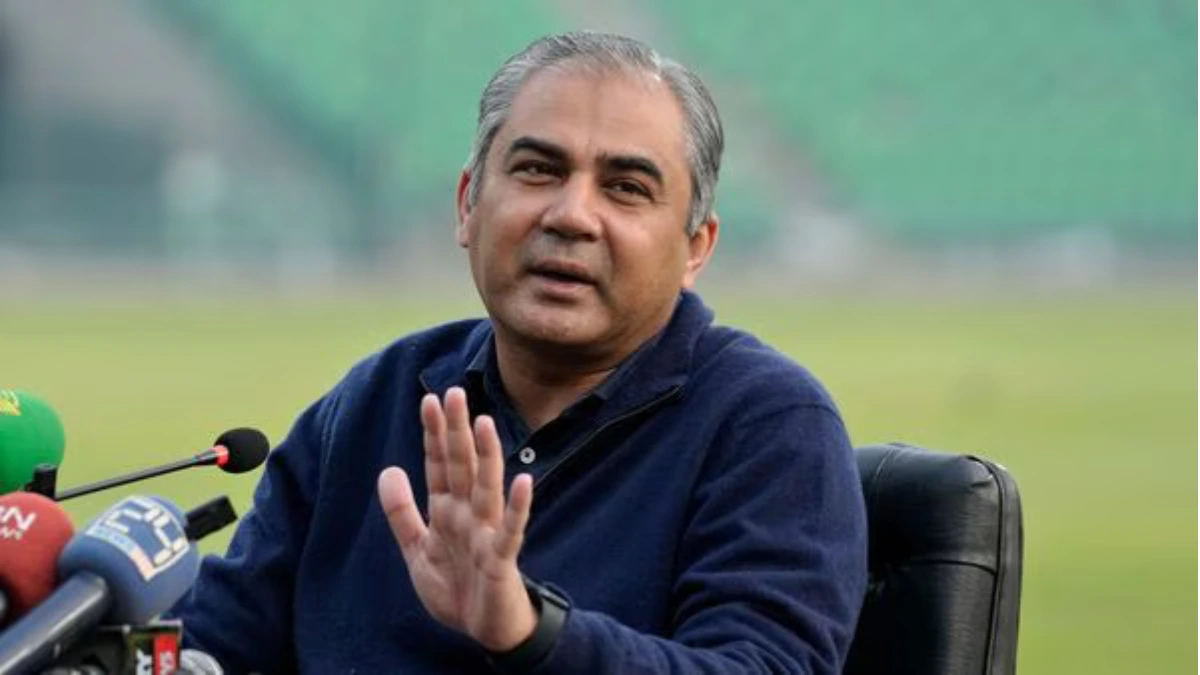
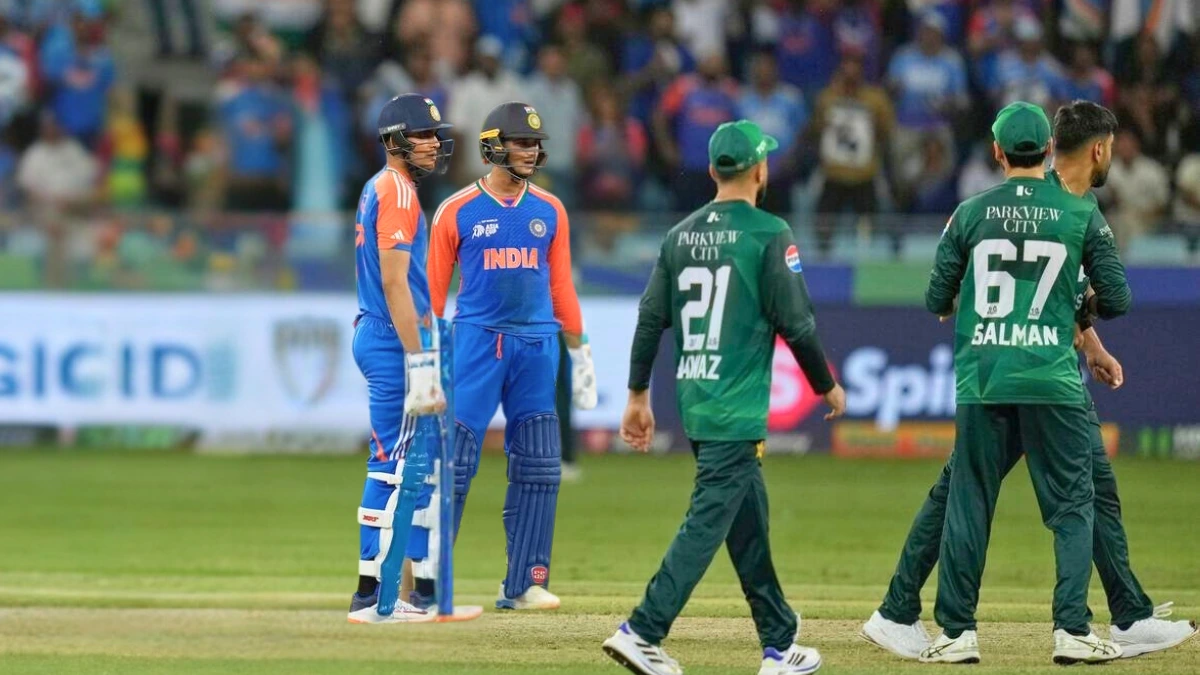
Pakistan’s handling of the India boycott at the T20 World Cup 2026 is getting messier by the day. After announcing that they will not play India on February 15 in Colombo, the Pakistan Cricket Board (PCB) has still not formally informed the International Cricket Council (ICC) of the decision. Now, according to The Indian Express, the PCB is preparing its defence in case the ICC moves towards sanctions by invoking the Force Majeure clause.
What is Pakistan thinking?
In simple terms, Pakistan’s argument will be that the boycott was not their decision. PCB officials are expected to tell the ICC that they were acting under instructions from the government and that the situation was “beyond their control”. The evidence they plan to attach is the Pakistan government’s social media post from February 1, which publicly stated that the team would not take the field against India.
According to reports, this may be Pakistan’s final option. “This is their last resort since they don’t have any other reason to not play India,” an official aware of the situation was quoted as saying. There is no cricketing, logistical or security reason to justify skipping the match, especially since it is being played in Sri Lanka, a neutral venue where Pakistan have agreed to play all their other games.
Teams have decided to boycott games in the past World Cups as well. However, they always had security threats or reasons as their focal point. England denied travelling to Zimbabwe in 2003 after receiving threats, while Australia and the West Indies didn’t go to Sri Lanka when the country was amidst a civil war. But Pakistan don’t have any of that excuse with them. That’s why the ICC can take actions against them, something that has never happened before as well. If the India-Pakistan match goes as planned, the ICC will incur a massive loss of around INR 2230 crore.
Why the argument is already being torn apart
From the Indian board’s side, there is little patience. Officials from the Board of Control for Cricket in India (BCCI) have dismissed the Force Majeure claim as weak and selective. “When Pakistan had no problem playing India in the Under-19 World Cup on the same day their government put out the post to boycott the T20 World Cup game, this wouldn’t cut ice,” a BCCI official said.
The bigger problem for Pakistan is consistency. If government instructions truly make participation impossible, then why is only one match being boycotted? Why not withdraw entirely? Why travel to Colombo at all? There is also no escaping the political overlap. The Prime Minister of Pakistan is the patron-in-chief of the PCB, while the board chairman is a serving minister. Claiming distance between the state and the cricket board is unlikely to convince the ICC.
 Cricket
India squad for Sri Lanka Tests to be picked this week: Bumrah, Jadeja to return, Washington Sundar doubtful
Cricket
India squad for Sri Lanka Tests to be picked this week: Bumrah, Jadeja to return, Washington Sundar doubtful